

The Gardener and His Little Kingdom — Part 2 of 3
← Previous: Part 1 — The Gardener and His Little Kingdom
Why do some people survive a lifetime of hardship yet remain vulnerable to the same problems, and sometimes the same people, over and over again?
I often wondered about this with Lungile.
His bicycles disappeared. His money disappeared. Even the smartphone we bought him eventually disappeared.
And the more we tried to understand what was happening, the more complicated the stories became.
Another bicycle?
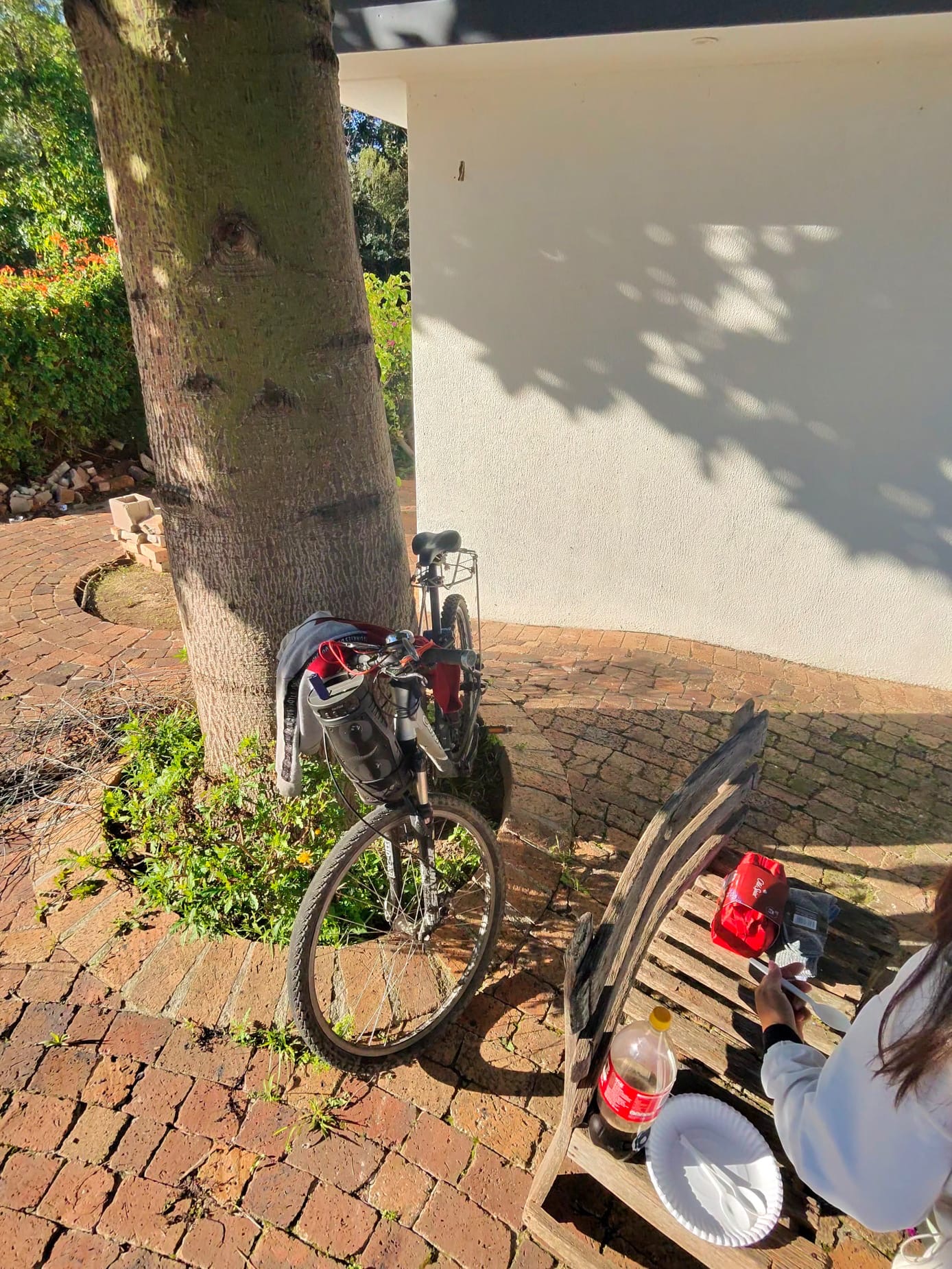
Over the years, Lungile had several bicycles stolen.
We bought replacement bicycles on several occasions, sometimes wondering how long the next one would last.
A bicycle wasn’t a luxury for him. It was a practical way of getting around and travelling to work.
So when one disappeared, it created a real problem.
But the bicycles were only part of it.
There were also problems with his bank account.
Lungile would tell us about money that had gone missing, bank cards that had been stolen, or transfers he said he hadn’t authorised.
Sometimes relatives were mentioned. Sometimes other people.
The difficulty was that we couldn’t always establish exactly what had happened.
His English was limited, our Xhosa was practically nonexistent, and even with someone translating, the explanations weren’t always clear.
I didn’t want to accuse people based on stories I couldn’t verify.
But our neighbour later helped him check his bank account and discovered transfers being made to another account without his knowledge. Someone had been taking advantage of him.
But one thing was obvious: Lungile repeatedly found himself broke and constantly being robbed.
When working also meant having something to eat
During COVID, Lungile’s financial difficulties became particularly worrying.
He struggled to afford food. Driven by hunger, he even managed to walk to Inge’s during the lockdown, knowing he could earn a living and find something to eat.
We provided breakfast and lunch on his working days. When I was there, I sometimes made sure he had dinner to take home as well.
There were also occasions when we gave him money for food, including when he was in hospital.
It was difficult knowing that someone who worked and earned money could still find himself in that situation.
The people around him
At times, I felt the other household workers were unnecessarily unkind to Lungile. Once, a carer secretly filmed him working, expecting us to find fault with his performance. Instead, the video just showed a man doing his job.
He worked for other households as well as ours. Beyond the hours he spent with us, he had relationships, obligations and difficulties we knew little about.
How could we help solve a problem when we weren’t certain we understood it?
His little Fort Knox
In April 2026, we visited Lungile at his home in Nomzamo township, near Somerset West.
After years of knowing him through the garden, it was an opportunity to see another part of his life.
And I had to smile.
Lungile had fenced off his little shack almost like Fort Knox.
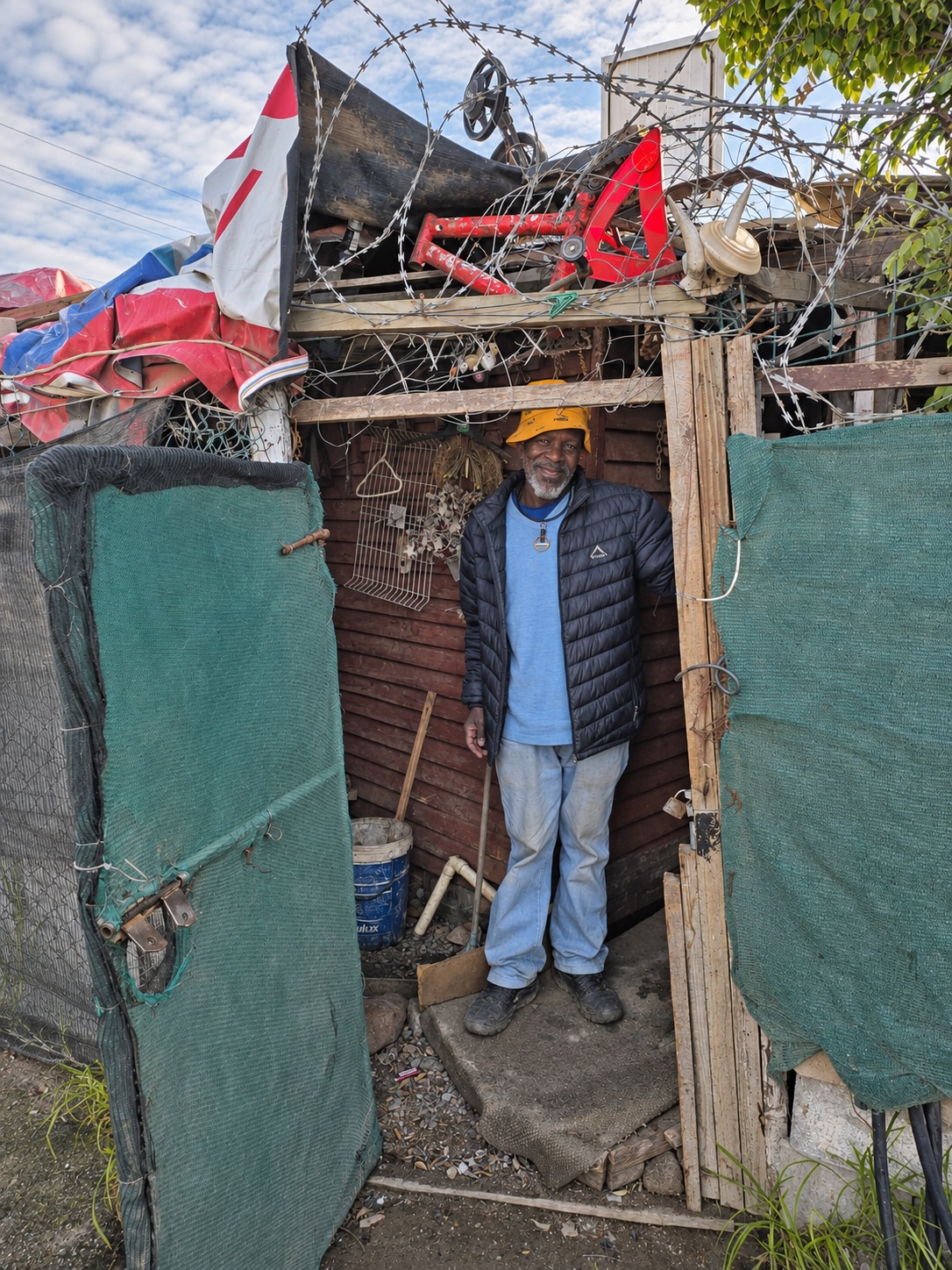
Inside, his belongings were carefully arranged.
His tools had their places. Inside his shack, there was a small camping stove, a single bed, a small table, and a tablet loaded with movies that he watched repeatedly from a USB stick.
I asked where the toilet was, and he said it was outside. I guess the township has a community toilet, but I don’t know.
It was a simple home, but he had made it his own.
He seemed particularly proud that we had come to visit.
Inge had bought the shack for him as a gift. It had cost her a considerable amount of money, and it was good to see how he looked after it.
He also asked whether he could have the small fridge from our garden.
We told him we’d discuss it after the renovations.
There were some complications with the land where his shack stood. From what we understood, he rented the space from a cousin who wanted to use it for his own family’s building plans.
I never fully understood the arrangement, or what would eventually happen.
The phone that disappeared
He had an old itel keypad phone that he was perfectly happy using.
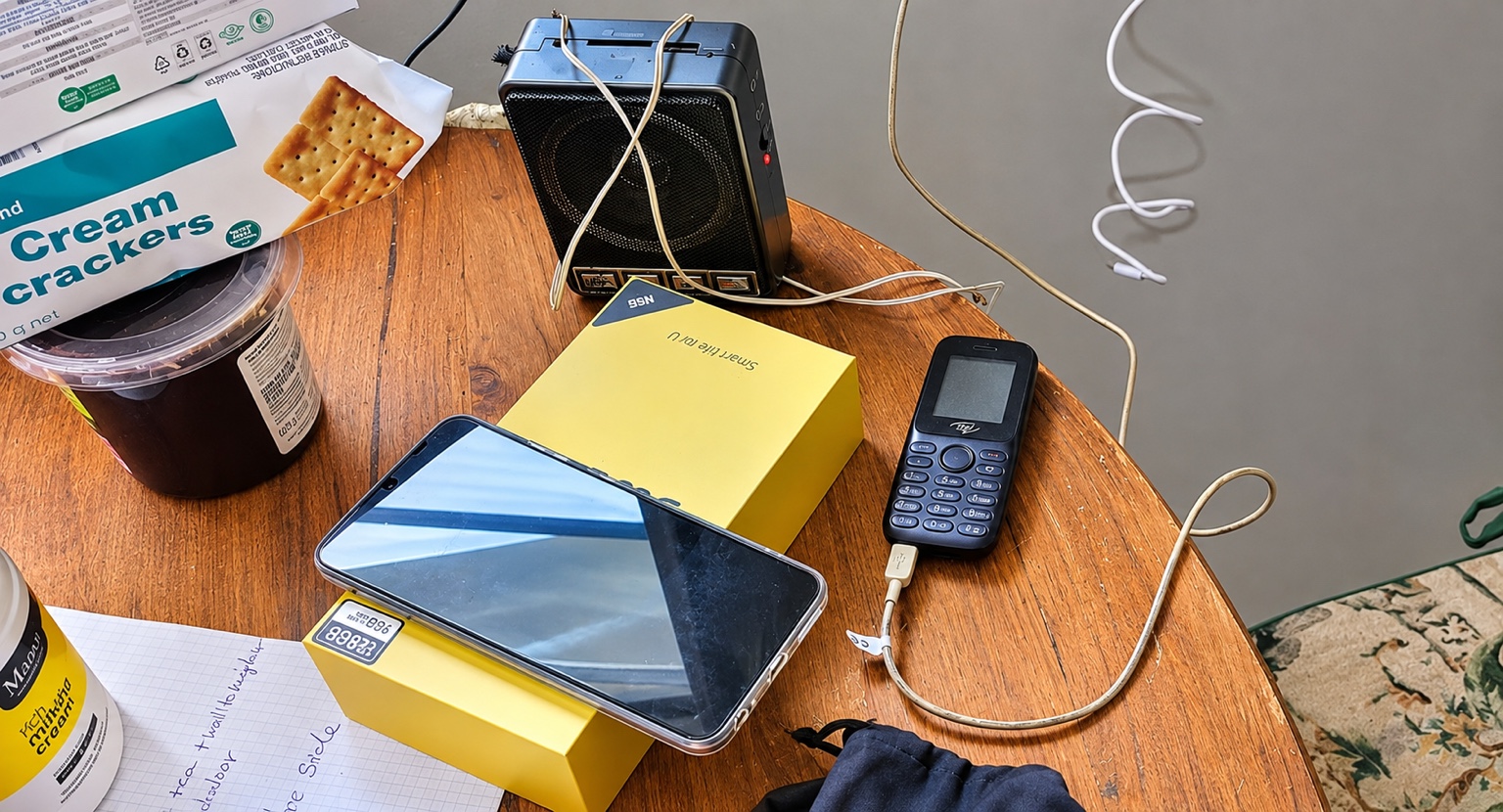
We bought him a smartphone and tried to introduce him to WhatsApp.
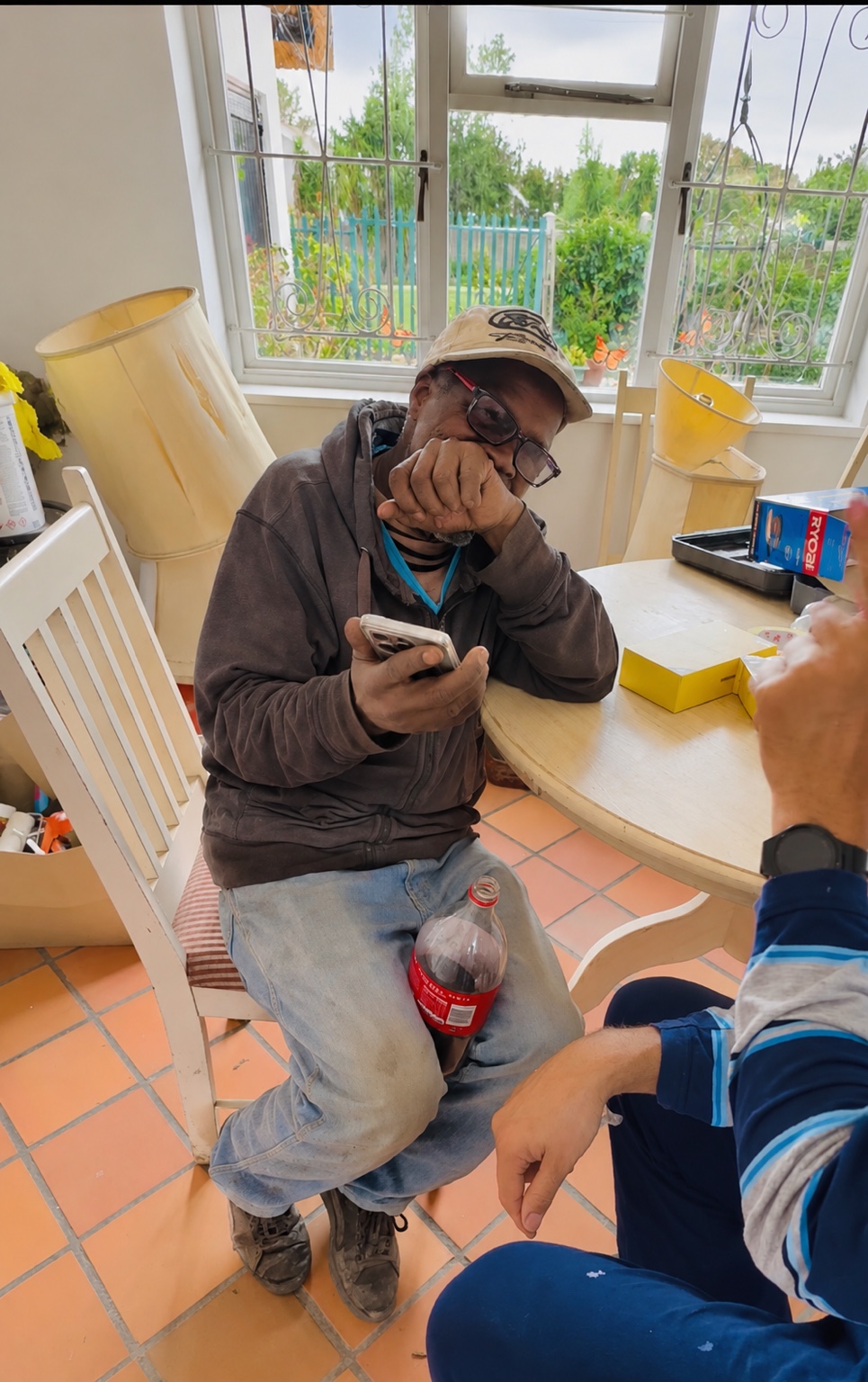
I still have a video of us teaching him how to use it, including the accidental video calls that made us laugh.
But he kept his old phone anyway.
And perhaps that was fortunate.
While we were away, we heard that his new smartphone had been stolen.
When we visited his shack in April 2026, we asked what had happened.
Lungile told us that he had someone who cleaned his shack, and that the phone had disappeared.
I had to smile at that. We’d sometimes helped him with food, yet here he was telling us he had someone cleaning his home. I never asked what their arrangement was.
We didn’t know who had taken the phone, or even exactly what had happened.
But there was the familiar story again.
Something we’d bought for him was gone.
At least he still had his old itel.
Perhaps keeping things wasn’t such a bad habit after all.
The room at the house
While Lungile had his own home, he used the staff quarters to rest and eat when he was with us. It was his personal space during his working days.
As part of the renovations at the property, we fully updated these facilities, adding a small kitchen area, a dedicated rest area, and a separate shower and toilet so he could make tea, eat his meals, and wash.
What I remember about his home
When I think about that visit in April, I remember Lungile standing proudly in front of his shack.
He had spent decades working, surviving and managing his own life. He wasn’t helpless, but that didn’t mean he could control everything that happened to him.
But that visit reminded me that Lungile wasn’t simply the gardener we employed, or the man who kept coming to us with problems.
He had his own home, his own pride and a life that continued long after he left our garden each afternoon.
And as his retirement approached, we would discover that helping someone and agreeing on what that help should mean were not always the same thing.
Next: Part 3 — Kindness, Expectations, and the Goodbye We Didn’t Expect →